
 Share
Share
Abstract
Population increase and climate change are driving up global food consumption, which calls for a change to more efficient and sustainable farming methods. Although they are good at increasing crop yields, traditional chemical fertilizers have caused serious environ mental problems such soil erosion, water pollution, and greenhouse gas emissions.
Sustainable SMART (Specific, Measurable, Achievable, Relevant, and Time-bound) fertilizers have become a novel way to maximize nutrient utilization, reduce ecological footprints, and improve long term agricultural sustainability in response to these issues. This paper examines how SMART fertilizers can be incorporated into contemporary agricultural systems, emphasizing how they can increase nutrient efficiency, lessen overuse of fertilizer, and promote ecologically friendly farming methods.
This paper also explores the latest developments in SMART fertilization, such as precision nutrient delivery systems, bio-enhanced fertilizers, and microbial-driven nutrient acquisition, based on the article “UK soil breakthrough could cut farm fertilizer use and advance sustainable agriculture” that appeared in The Guardian on February 22, 2025. A recent scientific finding at the John Innes Centre in Norwich, UK, where scientists discovered a naturally occurring plant mutation that increases root attraction to beneficial bacteria, is a significant advance covered in the article. This development reduces reliance on synthetic fertilizers and lessens environmental harm by facilitating more effective uptake of nitrogen and phosphorus.
In order to support climate-resilient farming, enhance soil health, and encourage plant-microbe symbiosis, SMART fertilizers use a variety of technologies, such as controlled-release fertilizers, nano-fertilizers, and biofertilizers. Higher crop yields, less input costs for farmers, and a decreased chance of fertilizer runoff into water bodies—which fuels eutrophication and ecological deterioration—are all advantages of using SMART fertilizers. These fertilizers also support global sustainability objectives, such as the Sustainable Development Goals (SDGs) of the UN that address climate change, food security, and resource conservation.
Despite their encouraging potential, there are still obstacles to the widespread use of SMART fertilizers, such as high manufacturing costs, technological constraints, and the requirement for comprehensive field testing to confirm their efficacy in a range of agroecosystems. Widespread adoption will be made possible in large part by government regulations, subsidies, and farmer education initiatives.
A revolutionary step toward sustainable food production, SMART fertilizers combine precision farming methods with cutting-edge agricultural biotechnology. These fertilizers will be crucial in striking a balance between ecological preservation and productivity as global agricultural systems work toward efficiency and environmental stewardship. A new age of agricultural sustainability that satisfies current and future food demands while preserving natural resources might be ushered in by the ongoing development and use of SMART fertilizers.
Keywords: agriculture, drone, SMART, food, sustainable
Introduction
There is tremendous demand on agricultural systems to produce more food responsibly and effectively due to the world’s population expansion, changing climatic patterns, and depleting natural resources. One of the most urgent issues facing contemporary agriculture is the problem of producing enough food to fulfil the growing demand while reducing environmental damage. A number of environmental problems, such as soil degradation, biodiversity loss, eutrophication of aquatic bodies from nutrient runoff, and elevated greenhouse gas emissions, have been exacerbated by conventional agricultural methods, especially the overuse of chemical fertilizers. Global food security and the long-term viability of agricultural production are at risk due to these issues.
By giving crops vital minerals like nitrogen, phosphorous, and potassium—all of which are required for optimum development and yield— fertilizers play a crucial part in contemporary farming. Traditional fertilizer applications, however, frequently lead to inefficiencies because a substantial amount of nutrients are lost through runoff, volatilization, or leaching. These losses have serious ecological repercussions since they not only lessen fertilizer efficacy but also contribute to environmental contamination. Furthermore, by upsetting the natural balance of soil bacteria and reducing organic matter, an ongoing dependence on synthetic fertilizers might eventually deteriorate soil health. Sustainable substitutes that can improve fertilizer usage efficiency while reducing negative environmental effects are therefore desperately needed.
SMART (Specific, Measurable, Achievable, Relevant, and Time-bound) fertilizers have become a viable remedy for these issues. These cutting-edge fertilizers make use of cutting-edge technology to maximize nutrient delivery, guaranteeing that plants get the proper quantity of nutrients at the appropriate time and in the most effective way possible. SMART fertilizers decrease nutrient waste, lessen environmental pollution, and support healthier soil ecosystems by combining precision application methods, bio-based improvements, and controlled-release mechanisms.
Fertilizers that are SMART (Specific, Measurable, Achievable, Relevant, and Time-bound) have emerged as a promising solution to these problems. Utilizing state-of-the-art technology, these fertilizers optimize nutrient delivery, ensuring that plants receive the right amount of nutrients at the right time in the most efficient manner. By integrating controlled-release mechanisms, bio-based enhancements, and precision application techniques, SMART fertilizers reduce environmental pollution, reduce nutrient waste, and promote healthier soil ecosystems.
A paradigm shift toward more sustainable food production systems is represented by the use of SMART fertilizers into contemporary agricultural methods. In addition to improving crop quality and production, these fertilizers also improve soil health, lower greenhouse gas emissions, and lessen reliance on non-renewable resources like phosphorus reserves. Adopting SMART fertilizers also supports global sustainability objectives, such as those stated in the Sustainable Development Goals (SDGs) of the UN, especially those pertaining to responsible production and consumption, food security, and climate action.
With an emphasis on current developments and their potential to completely transform agricultural sustainability, this paper will examine the fundamentals, workings, and advantages of SMART fertilizers. This review attempts to shed light on the future of sustainable fertilizing techniques and their role in creating a more resilient and ecologically conscious agricultural sector by analysing the results of the UK soil breakthrough project as well as other scientific developments.
Integration of IoT and AI in SMART Fertilizer Application
Rationale:
While the paper covers microbial and bio-based innovations well, it can benefit from showcasing how technology—particularly IoT and AI—is advancing SMART fertilizer implementation through real-time decision-making and precision management.
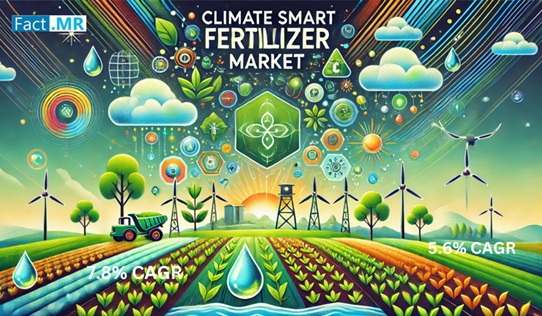
Integration of IoT and AI in SMART Fertilizer Application
The integration of Internet of Things (IoT) devices and Artificial Intelligence (AI) algorithms has revolutionized the deployment and effectiveness of SMART fertilizers in agriculture. These digital technologies provide farmers with real-time data, enabling accurate decision-making about nutrient requirements, soil conditions, and optimal fertilizer application schedules.
Smart Sensors and Soil Monitoring:
IoT-based soil sensors measure vital parameters like moisture content, temperature, pH, and nutrient levels. This data helps in determining the exact fertilizer needs of specific crop zones, preventing over-application and minimizing environmental runoff.
AI-Driven Nutrient Forecasting:
Machine learning models analyze historical crop and soil data along with weather patterns to predict nutrient demands throughout the growing season. This allows for the creation of precise nutrient maps that guide automated fertilizer application machinery.
Precision Fertilizer Dispensers:
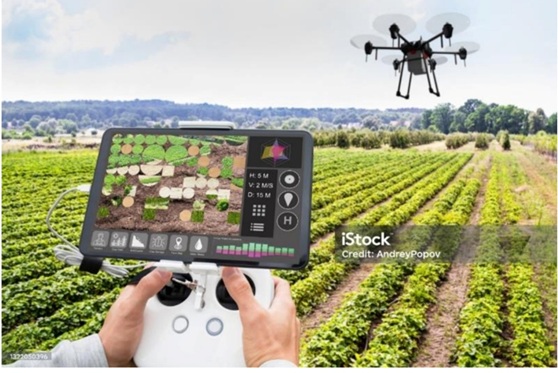
Advanced drones and autonomous spreaders equipped with GPS and AI-based algorithms apply fertilizers only where needed, based on real-time soil diagnostics. This targeted approach improves efficiency and reduces wastage.
By merging digital intelligence with biological advancements, IoT and AI enhance the precision and sustainability of SMART fertilizers, paving the way for data-driven, climate-resilient agriculture.
Recent Innovations in SMART Fertilizers
In the pursuit of sustainable farming methods, the development of SMART (Specific, Measurable, Achievable, Relevant, and Time-bound) fertilizers has gathered considerable momentum in recent years. These fertilizers seek to lessen their negative effects on the environment, increase nutrient efficiency, and lessen reliance on traditional chemical fertilizers. Agronomists and researchers have investigated a number of cutting-edge strategies to improve soil health, maximize plant nutrient absorption, and encourage agricultural systems’ long-term viability. Bioeffectors, seaweed-based fertilizers, and fertilizer deep placement (FDP) are a few of the most exciting developments in SMART fertilization.
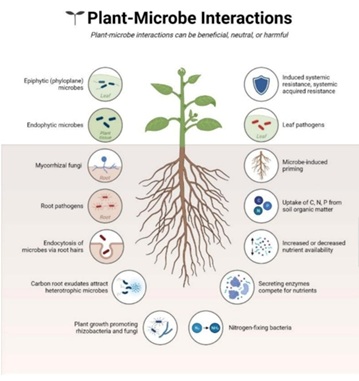
Using Microbial Interactions to Promote Sustainable Agriculture via Bioeffectors
Natural microorganisms or bioactive substances known as “bio effectors” improve nutrient uptake, boost stress tolerance, and advance general plant health to improve plant development. Bioeffectors function by improving plant-microbe interactions, which facilitate natural processes that promote nutrient availability and absorption, in contrast to synthetic fertilizers that directly give nutrients.
How Bioeffectors Work:
Nitrogen Fixation: To transform atmospheric nitrogen into a form that plants can use, some bio effectors, such nitrogen-fixing bacteria (like Rhizobium, Azotobacter, and Frankia), create symbiotic partnerships with plant roots. This procedure minimizes nitrogen runoff and related environmental hazards by lowering the requirement for synthetic nitrogen fertilizers.
Phosphorus Activation: Phosphate-solubilizing bacteria (Pseudomonas, Bacillus) and mycorrhizal fungi are examples of bio effectors that aid in the release of bound phosphorus from soil particles, increasing its accessibility to plant roots. For crops cultivated in soils low in phosphorus, this is especially important.
Improving Tolerance to Stress: Auxins and gibberellins, two phytohormones produced by specific bioeffectors, control plant development and improve resistance to abiotic stressors such drought, salt, and temperature changes.
Suppressing Plant Pathogens: By outcompeting dangerous pathogens or generating antimicrobial chemicals that shield plants from illnesses, certain advantageous microbes act as biocontrol agents.
Uses and Advantages:
- Reduced need on fertilizer due to increased nutrient-use efficiency.
- Increased soil fertility as a result of improved soil microbial diversity and activity.
- Minimize the impact on the environment by lowering discharge of phosphorus and nitrogen.
- A sustainable substitute for chemical fertilizers that promotes regenerative and organic farming methods.
Farmer-Centric Adoption Strategies and Education Initiatives
Rationale:
While challenges like high cost and limited awareness are mentioned in the conclusion, a dedicated section outlining specific farmer-focused strategies can strengthen the paper’s practical impact.
Farmer-Centric Adoption Strategies and Education Initiatives
Despite the significant advantages offered by SMART fertilizers, their widespread adoption depends largely on empowering farmers through training, financial support, and technology access.
Capacity Building and Extension Services:
Customized training programs, field demonstrations, and agri-extension workshops can bridge the knowledge gap by familiarizing farmers with SMART fertilization techniques and application tools.
Subsidy and Incentive Schemes:
Government-led financial incentives, such as subsidies for SMART fertilizer products and IoT kits, can reduce initial investment burdens and encourage adoption, especially among small and marginal farmers.
Digital Literacy and Mobile Platforms:
User-friendly mobile apps in regional languages can disseminate information about fertilizer application schedules, weather forecasts, and real-time alerts, making precision farming more accessible.
Community-Based Implementation Models:
Forming farmer cooperatives and involving local agricultural universities in participatory research can help co-create location-specific SMART fertilizer strategies that address regional needs and constraints.
By placing farmers at the center of sustainable innovation, these initiatives ensure long-term success and grassroots transformation of agricultural ecosystems through SMART fertilizer use.
Fertilizers Made from Seaweed: An Organic Bio-Stimulant for Crop Development
Fertilizers made from seaweed have drawn interest as a potential biostimulant for sustainable farming. These fertilizers, which are made from marine algae, are rich in growth hormones, amino acids, vital minerals, and bioactive substances that promote soil health and plant development.
Composition and Action Mechanisms:
Profile Rich in Nutrients: Nitrogen (N), phosphorus (P), potassium (K), calcium, magnesium, iron, and trace minerals necessary for plant development are among the macro and micronutrients found in seaweed extracts.
Enhancement of Soil Microbial Activity: Seaweed fertilizers improve soil structure and microbial diversity by acting as prebiotics for beneficial soil bacteria.
Enhancement of Root Development: Natural plant hormones found in seaweed extracts, such as gibberellins, auxins, and cytokinin, promote root development and improve the effectiveness of nutrient uptake.
Stress Tolerance and Resistance to Drought: Seaweed contains compounds like mannitol and alginates that aid in water retention, increasing a plant’s resistance to drought.
Field Applications and Scientific Evidence:
- A higher concentration of chlorophyll, which improves the effectiveness of photosynthesis.
- Increased soil enzyme activity speeds up the availability and mineralization of nutrients.
- Increased agricultural yields and improved produce quality, such as larger, more colourful, and longer-lasting fruits.
- A decrease in reliance on chemical fertilizers, encouraging a more environmentally friendly method of farming.
Benefits of Fertilizers Made from Seaweed:
- A sustainable, biodegradable, and environmentally benign source of plant nutrients that is safe for use in organic agricultural systems.
- Enhances soil fertility without contributing to pollution or chemical accumulation.
- Boosts agricultural output by increasing tolerance to biotic and abiotic stressors.
Fertilizer Deep Placement (FDP): Enhancing the Use of Nutrients
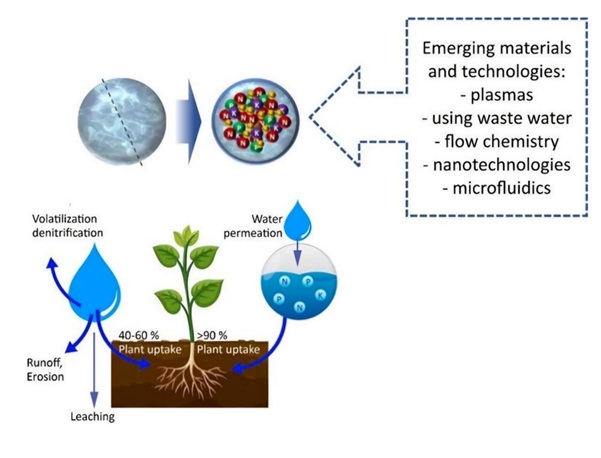
A precision fertilization method called Fertilizer Deep Placement (FDP) places fertilizer granules directly in the root zone of plants, around 7 to 10 cm below the soil’s surface. This technique guarantees a more effective use of fertilizers, increases nutrient availability, and lowers losses from runoff and volatilization.
FDP: Mechanisms and Advantages
Improved Nutrient Uptake:
Fertilizers applied closer to plant roots allow crops to absorb nutrients more effectively, minimizing waste and increasing yield.
Minimization of Nutrient Losses: Fertilizers sprayed on the surface are susceptible to volatilization, runoff, and leaching. By reducing these losses, FDP extends the time that nutrients are available to crops.
Increased Productivity and Efficiency of Resources:
According to research from the International Fertilizer Development Center (IFDC), FDP can reduce fertilizer consumption by up to 40% while increasing yields by 15% to 20%.
Reduced Emissions of Greenhouse Gases: Nitrous oxide (N₂O), a powerful greenhouse gas that contributes to climate change, is released less often when FDP lowers nitrogen volatilization.
Success Stories and Field Applications
- Adoption of FDP in rice production in Bangladesh has increased yields while reducing the use of urea fertilizer by 30%.
- Research conducted in sub-Saharan Africa has demonstrated that FDP increases the productivity of sorghum and maize by enhancing the soil’s ability to retain nutrients.
- In commercial crop production, precision farming methods that combine FDP with controlled-release fertilizers have shown improved nutrient-use efficiency.
Difficulties and Prospects for FDP
Labor-Intensive Application: Applying fertilizers by hand can take a lot of time, thus mechanized techniques are required.
Adoption Barriers: To successfully adopt FDP, smallholder farmers need technical assistance and training.
Research Needs: To optimize FDP for various soil types, climates, and crop kinds, more research is required.
The Ways in which SMART Fertilizers Work
Sustainable SMART (Specific, Measurable, Achievable, Relevant, and Time-bound) fertilizers work by combining biological innovations with cutting-edge agricultural technologies. SMART fertilizers provide effective nutrient management, in line with the natural biological processes of soil and plants, in contrast to traditional fertilizers, which frequently cause nutrient waste and environmental damage. In order to maximize plant nutrient absorption and soil health, these fertilizers combine precision agricultural methods, controlled-release mechanisms, and improved microbial interactions.
Improved Absorption of Nutrients
The capacity of SMART fertilizers to enhance nutrient availability and absorption through the promotion of advantageous plant-microbe interactions is one of their primary characteristics. Conventional fertilizers frequently cause nutrient losses through runoff, volatilization, or leaching. SMART fertilizers, on the other hand, are made to improve the effectiveness of nutrient delivery straight to plant roots, reducing losses and guaranteeing ideal plant development.
Recent developments show how important soil bacteria are to nitrogen absorption, as evidenced by the findings reported in The Guardian article “UK soil breakthrough could cut farm fertiliser use and advance sustainable agriculture” (February 22, 2025). A mutation in Medicago truncatula that enhances its symbiotic connections with phosphorus-acquiring fungus and nitrogen-fixing bacteria was found by researchers at the John Innes Centre. The introduction of this mutation into wheat resulted in improved nutrient uptake efficiency as the plants developed stronger microbial interactions. According to this finding, it may be possible to use plant breeding methods to create crops that are highly productive while using fewer chemical fertilizers.
SMART fertilizers support plants’ innate capacity to absorb vital nutrients from the soil environment by utilizing these biological processes. In addition to lessening reliance on artificial fertilizers, this increases plant resistance to natural pressures including soil erosion and drought.
Targeted Release of Nutrients
The unregulated release of nutrients from traditional fertilizers is one of its main drawbacks, since it can result in overapplication, nutrient losses, and contamination of the environment. By matching nutrient availability with crop need through controlled-release mechanisms, SMART fertilizers solve this problem. These fertilizers make use of technology such as
Polymer-Coated Fertilizers: This type of fertilizer reduces nutrient loss and stops leaching into groundwater by encasing nutrients in biodegradable polymers that release them gradually over time.
Nano-Fertilizers: Nanotechnology makes it possible to precisely supply nutrients at the molecular level, which guarantees that plant roots will absorb them efficiently. These fertilizers react to environmental cues such changes in pH, temperature, or soil moisture by releasing nutrients.
Microbially Activated Fertilizers: Beneficial microorganisms found in certain SMART fertilizers aid in the release of nutrients from the soil, allowing plants to use them when they need them.
SMART fertilizers increase productivity and reduce environmental contamination by timing nutrient delivery with plant development phases. Since excessive fertilizer application can result in problems like eutrophication and soil deterioration, this tailored method is especially advantageous for sustainable agricultural practices.
Enhancement of Soil Health
Since soil health affects plant growth, water retention, and long-term fertility, it is a crucial component of sustainable agriculture. Over time, conventional fertilizers, especially those with high nitrogen concentration, can upset the microbial populations in the soil, causing nutritional imbalances, acidity, and deterioration. Conversely, SMART fertilizers are made to improve soil health by:
Encouraging Microbial Diversities: Bio-enhancers included in many SMART fertilizers promote the growth of beneficial microorganisms, including as phosphorus-solubilizing fungus (Mycorrhiza) and nitrogen-fixing bacteria (Rhizobium, Azotobacter). These microorganisms enhance nutrient cycling, organic matter breakdown, and soil structure.
Improving Organic Matter in the Soil: Certain formulations include organic substances that enhance soil texture, aeration, and water retention, such as humic acids, seaweed extracts, and composted materials.
Reducing Soil Erosion: SMART fertilizers help to promote soil stability by enhancing microbial activity and soil structure, which lessens erosion from water and wind.
SMART fertilizers promote long-term agricultural sustainability by preserving healthy soil ecosystems, which lessens the need for intense chemical inputs and encourages regenerative farming methods.
Potential Effect on Agriculture Sustainability
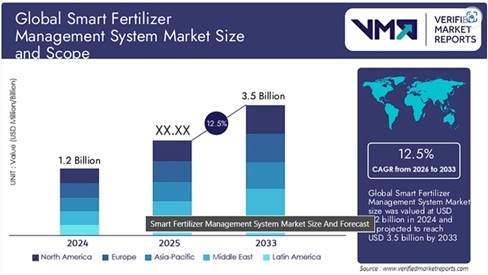
Adopting SMART fertilizers has several advantages for sustainable agriculture, affecting resource efficiency, economic viability, and environmental preservation. These novel fertilizers provide a chance to increase output while reducing ecological impact as agricultural systems deal with increasing constraints from resource depletion, soil degradation, and climate change.
Environmental Benefits
The ability of SMART fertilizers to lessen nutrient pollution and lessen the negative environmental effects of conventional farming is one of its biggest benefits. Serious environmental problems like these have been exacerbated by the overuse of synthetic fertilizers.
Water pollution and nutrient runoff: Fertilizers that contain too much nitrogen and phosphorus frequently wash into rivers and lakes, resulting in algal blooms, oxygen deprivation, and the devastation of aquatic ecosystems. Because of its microbial interactions and controlled-release mechanisms, SMART fertilizers minimize runoff and guarantee that nutrients stay in the root zone where they are most required.
Greenhouse Gas Emissions: Conventional fertilizers emit nitrous oxide (N₂O), a powerful greenhouse gas, which is one of the main ways they contribute to greenhouse gas emissions. SMART fertilizers limit the need for excessive nitrogen application by increasing nutrient usage efficiency, which lowers emissions and helps mitigate climate change.
Decrease in Chemical Dependency: Healthy soils and reduced chemical pollution in the environment result from the use of natural biostimulants and microbial inoculants, which are included in many SMART fertilizers.
SMART fertilizers promote sustainable agricultural methods that are in line with international climate action goals by tackling these environmental issues.
Financial Benefits
The economic viability of fertilizer use is an important factor for farmers. Conventional fertilizers increase yields temporarily, but they can have significant long-term financial and environmental implications. SMART fertilizers provide financial advantages by:
Lowering Input Costs: Farmers may use less fertilizer to attain the same or greater yields thanks to improved nutrient efficiency. Costs are reduced because controlled-release methods guarantee that nutrients are not wasted.
Crops that get precise and balanced nutrition are more likely to be healthier, more disease-resistant, and of greater quality, which increases their market value and profitability.
Reducing the Costs of Soil Degradation: Traditional fertilizer overuse can result in decreased soil fertility, necessitating costly soil rehabilitation methods. SMART fertilizers can avoid these long- term expenses by preserving soil health.
Through increased production and profitability, SMART fertilizers provide farmers a strong financial incentive to switch to sustainable farming methods.
Preservation of Resources
Long-term food security depends on the effective use of fertilizers as the world’s agricultural resources are under growing stress. In the following ways, SMART fertilizers help conserve resources:
Preservation of Phosphorus: Phosphorus, an essential fertilizer nutrient, is a restricted worldwide resource. Overuse of phosphorus causes pollution and depletion. By optimizing phosphorus absorption, SMART fertilizers minimize waste and guarantee its availability for next generations.
Conserving Water: Because healthier soils retain moisture better, increased nutrient absorption efficiency and soil health lessen the requirement for frequent watering. This is particularly important in areas where water is scarce.
Sustainable Land Management: SMART fertilizers promote sustainable land use by improving soil quality and lowering reliance on chemicals, so averting desertification and land degradation.
SMART fertilizers are essential for maintaining agricultural systems’ resilience and productivity in the face of global problems because of their resource-efficient methodology.
Conclusion
In contemporary agriculture, SMART fertilizers are a game-changer, providing a sustainable way to boost crop yields while reducing environmental damage. SMART fertilizers support global sustainability goals including soil conservation, climate resilience, and lower greenhouse gas emissions by increasing nutrient usage efficiency, decreasing reliance on chemical fertilizers, and minimizing ecological footprints.
The potential for scientific breakthroughs in plant- microbe interactions to transform fertilizer application is shown by the recent discovery that was featured in the Guardian story “UK soil breakthrough could cut farm fertiliser use and advance sustainable agriculture” (February 22, 2025). SMART fertilizers provide a good substitute for traditional fertilization techniques by utilizing biological processes that boost nutrient absorption, such as better symbiotic interactions between crops and helpful soil bacteria. These developments open the door to lowering discharge of phosphorus and nitrogen, which fuels ecological imbalances and water pollution.
Notwithstanding their encouraging potential, SMART fertilizers face a number of obstacles to general adoption, such as high upfront costs, a lack of farmer knowledge, and the requirement for more field testing to confirm their efficacy in various agricultural contexts. A multifaceted strategy is needed to close these gaps, including ongoing research and development, government incentives, and instructional initiatives that provide farmers the skills and tools they need to successfully apply SMART fertilization techniques.
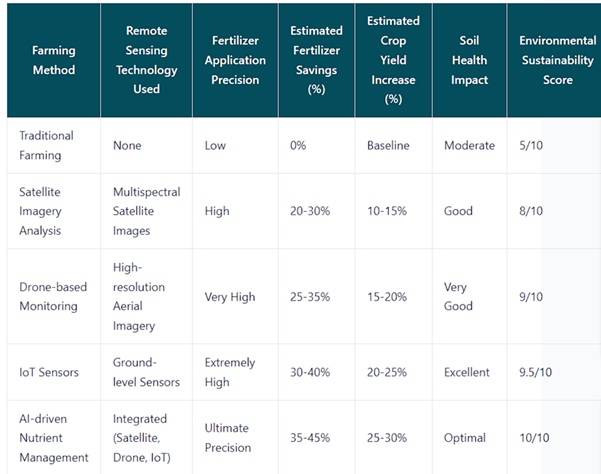
In the future, fertilizer application may be further optimized by combining SMART fertilizers with precision agricultural technologies including data- driven soil monitoring, AI-driven nutrient management, and remote sensing. Policy frameworks must also encourage the switch to environmentally friendly fertilizer techniques in order to promote sustainable farming practices.
In conclusion, by increasing crop yields, improving soil health, and minimizing environmental damage, SMART fertilizers have the potential to completely transform agricultural systems across the world. However, cooperation between farmers, governments, and researchers is essential to their success. SMART fertilizers may help create a robust and ecologically conscious food production system for coming generations by encouraging innovation, funding sustainable farming methods, and guaranteeing accessibility.
References:
- Ali, O., Ramsubhag, A., & Jayaraman, J. (2019). Biostimulatory activities of Ascophyllum nodosum extract in tomato and sweet pepper crops in a tropical environment. PLOS One, 14(5), Article e0216710. https://doi.org/10.1371/journal.pone.0216710
- Bashiru, M., Ouedraogo, M., Ouedraogo, A., & Läderach, P. (2024). Smart farming technologies for sustainable agriculture: A review of the promotion and adoption strategies by smallholders in sub-Saharan Africa. Sustainability, 16(11), 4817. https://doi.org/10.3390/su16114817
- Charpentier, M. et al. (2025). UK soil breakthrough could cut farm fertiliser use and advance sustainable agriculture. The Guardian.
- European Commission. (2024). Smart fertilizer technologies: An environmental impact assessment for sustainable agriculture. Knowledge for Policy Report. European Union.
- Li, H., Penttinen, P., Mikkonen, A., Stoddard, F. L., & Lindström, K. (2020). Response of soil bacterial community diversity and composition to time, fertilization, and plant species in a sub-boreal climate. Frontiers in Microbiology, 11, 1780. https://doi.org/10.3389/fmicb.2020.01780
- Ngoroyemoto, N., Kulkarni, M. G., Stirk, W. A., Gupta, S., Finnie, J. F., & van Staden, J. (2020). Interactions between microorganisms and a seaweed-derived biostimulant on the growth and biochemical composition of Amaranthus hybridus L. Natural Product Communications, 15(7). https://doi.org/10.1177/1934578X20934228
- Renaut, S., Masse, J., Norrie, J. P., Blal, B., & Hijri, M. (2019). A commercial seaweed extract structured microbial communities associated with tomato and pepper roots and significantly increased crop yield. Microbial Biotechnology, 12(6), 1346–1358. https://doi.org/10.1111/1751-7915.13473
- (2024). Debate rages over push for new green revolution in Africa’s agriculture. Reuters News Service.
- Rohila, A. K., Kumar, A., Mukteshawar, R., Ghanghas, B. S., Kavita, K., & Kumar, R. (2021). Constraints in adoption of smart agricultural practices. The Indian Journal of Agricultural Sciences, 91(1). https://doi.org/10.56093/ijas.v91i1.110950
- Shanmugavel, D., Rusyn, I., & Solorza-Feria, O. (2023). Sustainable SMART fertilizers in agriculture systems: A review on fundamentals to in-field applications. Science of the Total Environment, 857, Article 159695.
- Singh, S., Singh, R., Singh, K., Katoch, K., Zaeen, A. A., Birhan, D. A., Singh, A., Sandhu, H. S., Singh, H., & Sahrma, L. K. (2024). Smart fertilizer technologies: An environmental impact assessment for sustainable agriculture. Smart Agricultural Technology, 8, Article 100504. https://doi.org/10.1016/j.atech.2024.100504
- Trivedi, P., Delgado-Baquerizo, M., Anderson, I. C., & Singh, B. K. (2016). Response of soil properties and microbial communities to agriculture: Implications for primary productivity and soil health indicators. Frontiers in Plant Science, 7, 990. https://doi.org/10.3389/fpls.2016.00990
- Venugopalan, V. K., Nath, R., & Chandran, S. M. A. (2022). Smart fertilizers – A way ahead for sustainable agriculture. Journal of Plant Nutrition, 45(13), 2068–2076. https://doi.org/10.1080/01904167.2022.2046065
- Wang, M., Chen, L., Li, Y., Chen, L., Liu, Z., Wang, X., Yan, P., & Qin, S. (2018). Responses of soil microbial communities to a short-term application of seaweed fertilizer revealed by deep amplicon sequencing. Applied Soil Ecology, 125, 288–296. https://doi.org/10.1016/j.apsoil.2018.02.013
- Wang, Y., Fu, F., Li, J., Wang, G., Wu, M., Zhan, J., Chen, X., & Mao, Z. (2016). Effects of seaweed fertilizer on the growth of Malus hupehensis Rehd. seedlings, soil enzyme activities, and fungal communities under replant condition. European Journal of Soil Biology, 75, 1–7. https://doi.org/10.1016/j.ejsobi.2016.04.003
- (2012). Big, smart and green: A revolutionary vision for modern farming. Wired magazine.
Cite this Article:
Singh, R. S., & Rao, D. (2025). Sustainable smart fertilizer in agriculture systems. International Journal of Applied and Behavioral Sciences, 02(01), 296–314. https://doi.org/10.70388/ijabs250126
Statements & Declarations:
Peer-Review Method
This article underwent double-blind peer review by two external reviewers.
Competing Interests
The author/s declare no competing interests.
Funding
This research received no external funding.
Data Availability
Data are available from the corresponding author on reasonable request.
Licence
Emotional Freedom Techniques (EFT) Detoxification: Transforming Stress to Strength Sustainable Smart Fertilizer in Agriculture Systems © 2025 by Raj Shivam Singh and Deepak Rao is licensed under CC BY-NC-ND 4.0. Published by IJABS.